
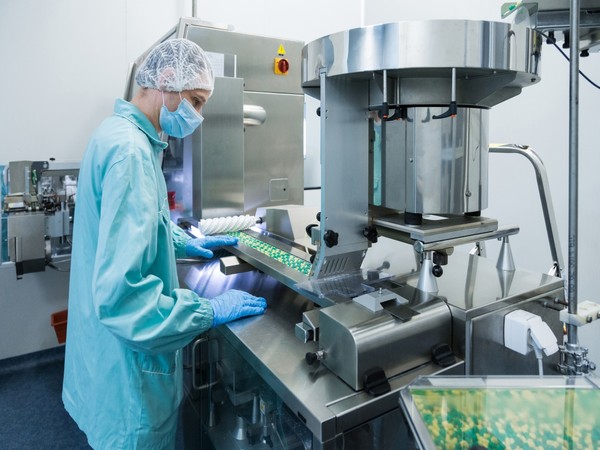
Blue Flame Consulting conducted a two-week diagnostic study at one of the major Pharmaceutical manufacturer’s Quality Control lab to identify human error pattern contributing to invalid OOS/LIR results. The study used interviews, observations, surveys, and document reviews to reveal significant workflow delays stemming from resource shortages (software, instruments, glassware) and poor lab organisation. Inadequate training and unsafe practices were also highlighted. The report provides recommendations, including short-term solutions like improving resource availability and lab organisation, and long-term strategies such as enhanced training programs and technology integration, to minimise human error and boost profitability. The study’s findings emphasise a need to shift from a reactive to a proactive approach to quality control.
Methodology
The study employed a multi-faceted approach that included:
- Analyst Interviews: Detailed conversations with QC analysts to gather insights into daily workflows and challenges.
- Process Shadowing: Real-time observation of analysts to identify bottlenecks and inefficiencies.
- Structured Surveys: Feedback on system adherence, training effectiveness and lab practices.
- Process Flowcharting: Visual mapping of QC processes to identify potential failure points.
- Document Review: Examination of SOPs, training logs and incident reports.
- Workshop and Engagement Exercises: Interactive exercises to gather analysts’ perspectives on quality and process improvement.
Key Findings
The study identified several key areas that impact quality and operational efficiency:
- Workflow Delays: Analysts frequently experience delays due to resource limitations and lab organisation issues.
- Lab Organisation Challenges: Lack of clear organisation leads to time spent locating materials.
- Inconsistent System Adherence: Inconsistent adherence to established systems across shifts.
- Unsafe Practices: Observed unsafe practices related to material handling, instrument maintenance, and fume hood usage.
- Inadequate Orientation and Training: Lack of adequate orientation and hands-on training.
- Delayed Adoption of Technology: Limited access to digital tools hinders productivity.
- Reactive Approach: The current approach is primarily reactive, addressing issues after they occur, rather than proactively preventing them.
- Analyst Pain Points: Over 70% of identified pain areas related to the on-time availability of resources. Software access, instrument shortages and glassware shortages were identified as the most common issues.
Operational Inefficiencies
The study highlighted significant discrepancies between expected and actual task completion times:
- Assay Testing: A 40% time wastage due to limited access to instruments like weighing balances.
- Dissolution Testing: A 29% time wastage, largely due to a lack of access to resources like printers and purified water.
Contributing Factors to Errors The study identified several contributing factors:
Attention Deficit and Improper Working Methods: More than 80% of errors were due to attention deficits and improper working methods. Delays increase stress, leading to loss of attention.
- Training Deficiencies: Lack of on-the-job training, reliance on self-learning, and inadequate mentoring were common. There was no tracking mechanism to ensure that the right analysts were receiving the training they needed.
- Safety Risks: Analysts risk safety during certain operations, with issues relating to instrument changeovers, fume hood availability, and PPE availability.
Recommendations for Improvement
The study recommended a combination of short-term and long-term strategies:
Short-Term Recommendations:
- Lab Organisation (5S Methodology): Implement the 5S methodology to improve workplace organisation, reducing time spent searching for materials and minimising errors.
- System Slowness Correction: Optimise IT infrastructure, particularly for Laboratory Management System and Document Management System.
- Overhaul of Training Systems: Enhance current training programs with practical resources, improved compliance tracking and mentorship to improve the knowledge and confidence of analysts.
- Offline Instrument Integration: Integrate offline instruments into a central system to reduce manual data entry and improve data integrity.
Long-Term Recommendations
- Knowledge Management: Develop a system to document and categorise historical failures and their underlying patterns, which will serve as a learning tool and encourage continuous improvement.
- Periodic Competency Mapping: Implement regular assessments of employee competencies to ensure their skills align with job demands and to identify skills gaps.
- Process Simplification: Streamline workflows by removing unnecessary steps and reducing manual interventions, thereby decreasing the potential for human error.
- Advanced Technology Introduction: Integrate technologies like Virtual Reality (VR) and Artificial Intelligence (AI) for training, decision-making and error detection.
Conclusion
The study’s findings identify the pattern of error influenced by systemic inefficiencies rather than individual analyst failures. The predominant issues observed were:
- High cognitive load due to resource unavailability, leading to distractions and mistakes.
- Process complexity contributing to deviations from standard procedures.
- Delayed technological integration causing inefficiencies in workflow execution.
- Training gaps resulting in inconsistent execution of analytical techniques.
- Reactive problem-solving approach, where errors are addressed after occurrence rather than proactively prevented.
The next phase of this project will focus on structured root cause analysis to refine interventions, ensure sustainability, and track improvements over time. By shifting to a proactive quality culture, the QC lab can significantly enhance efficiency, reduce errors, and improve overall compliance.